art after ai
-
![]()
Yirrkala Dhunba
-
![]()
David Kim
-
![]()
Sofia Anwarian
-
![]()
Johanna Andersson & Lars Bergman
-
![]()
Kaelen Varga
-
![]()
David Clarke
-
![]()
Aria Singh & Max Thompson
-
![]()
Elias Novák
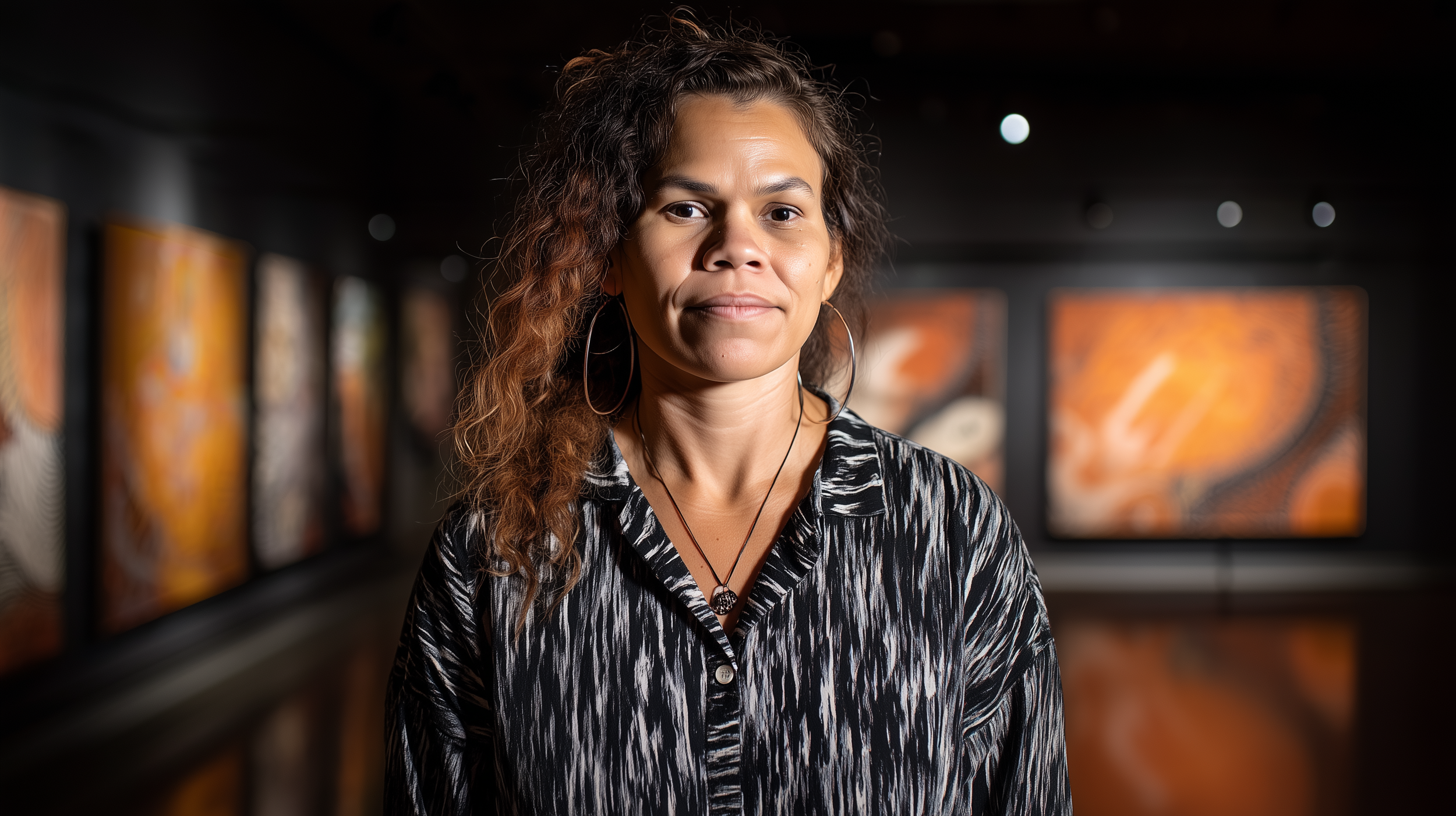
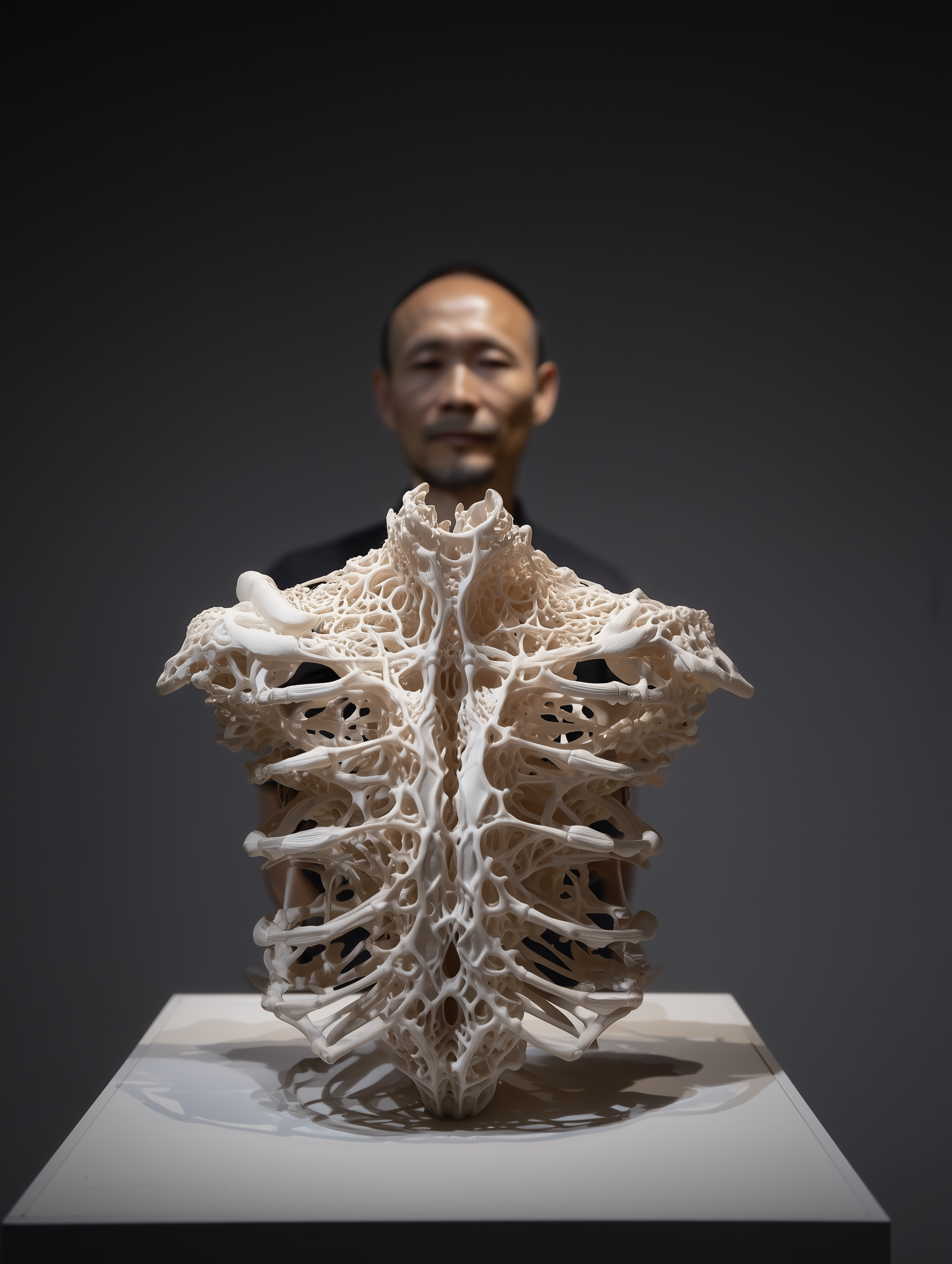
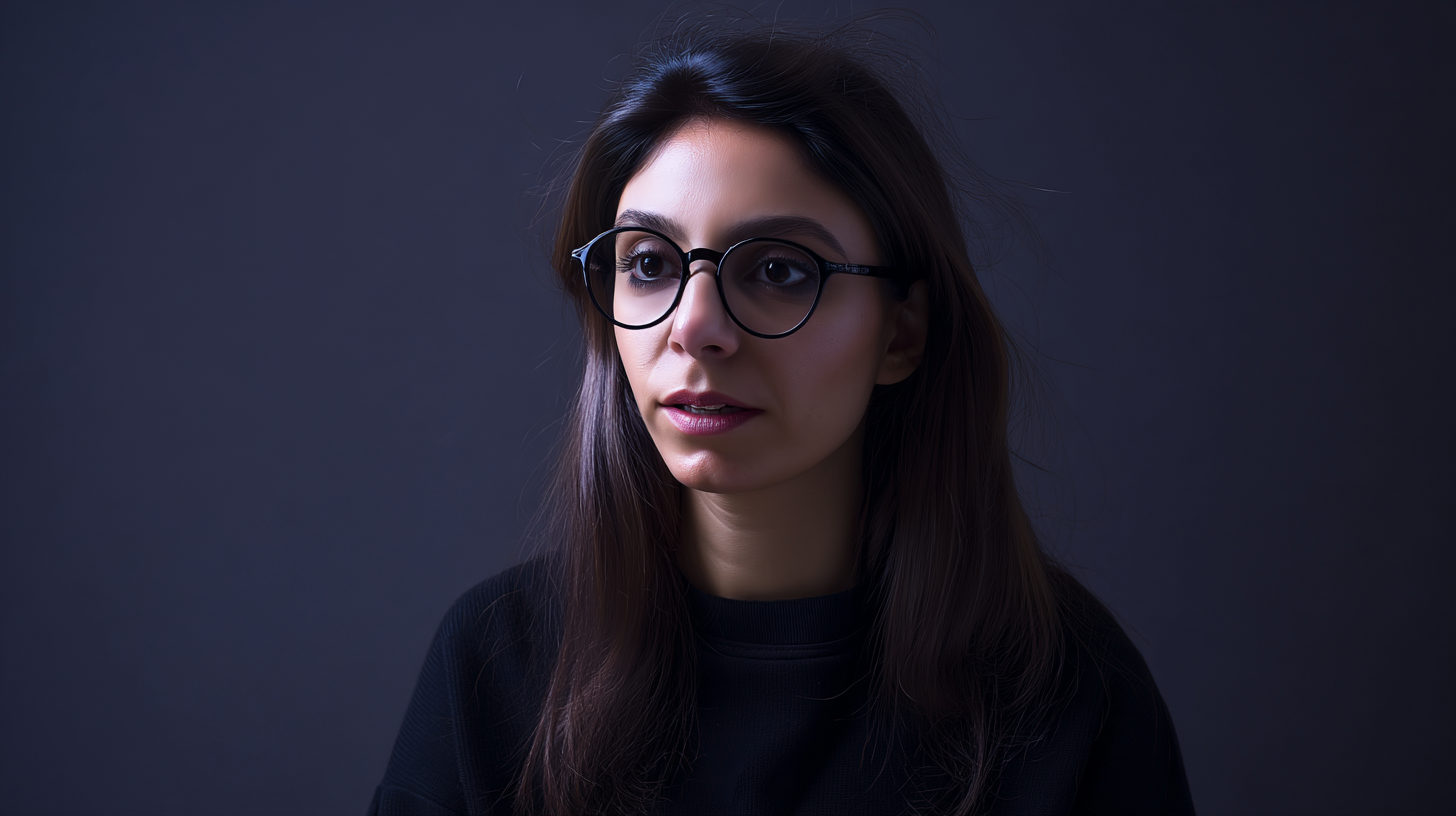
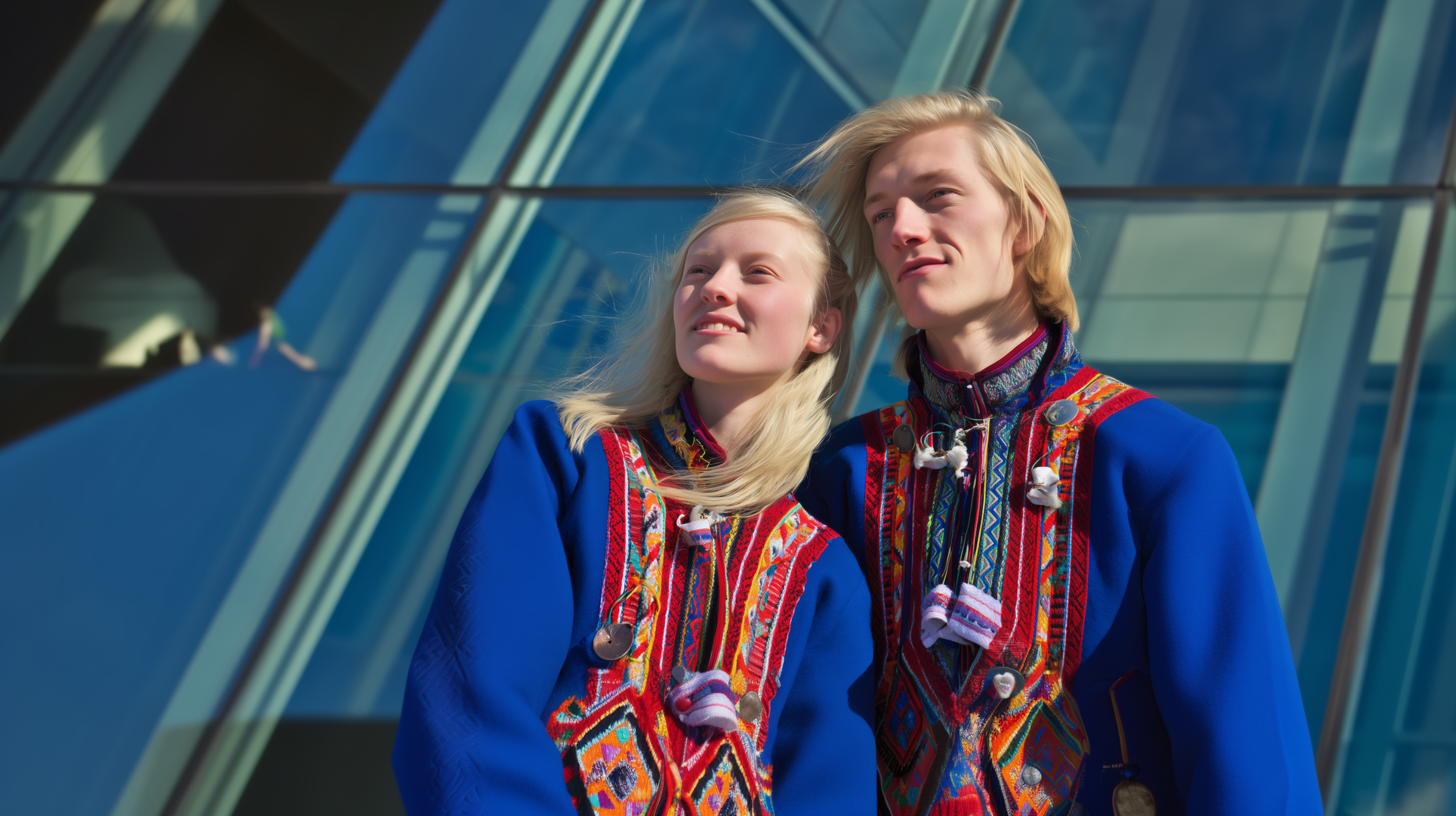
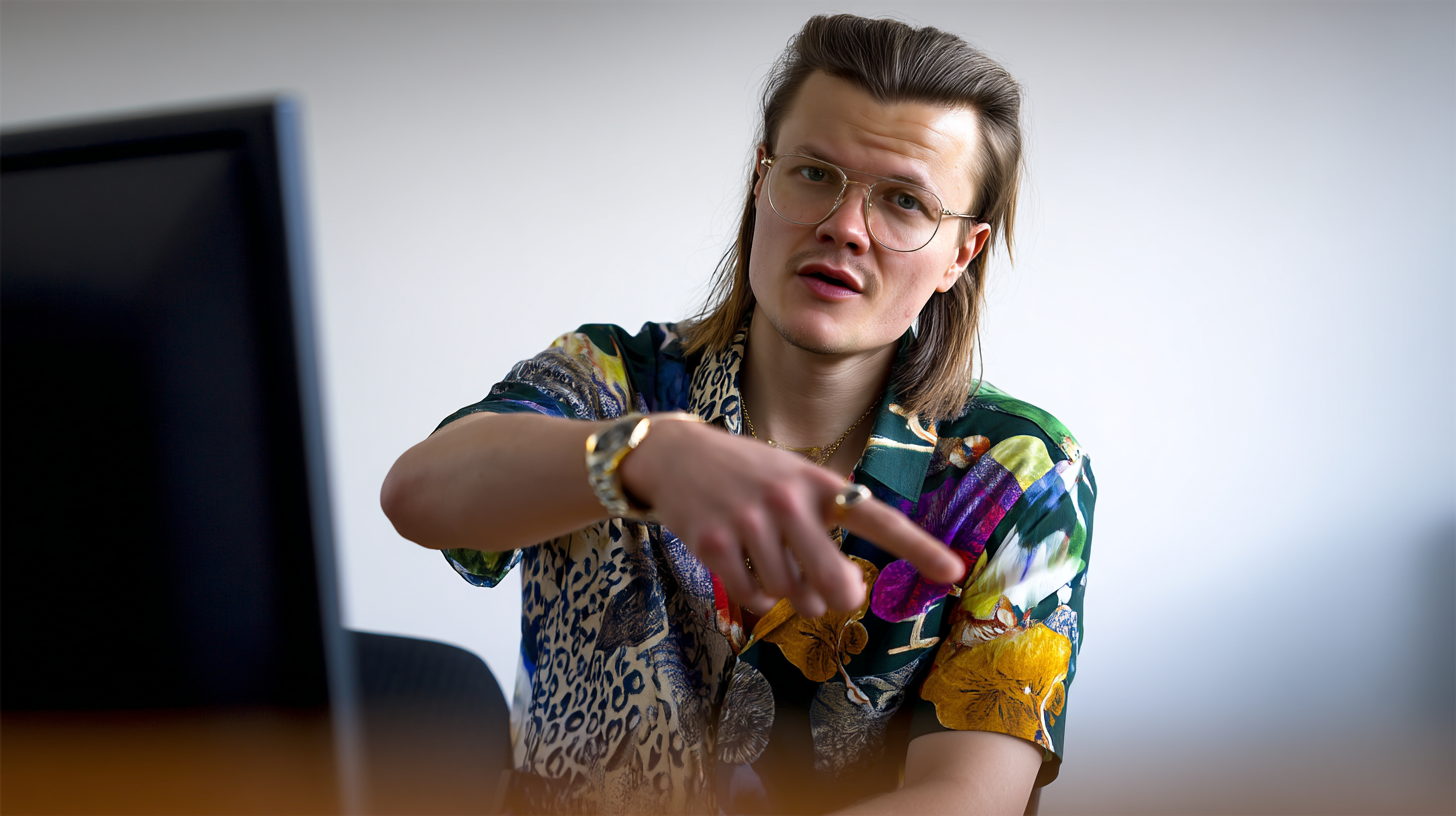
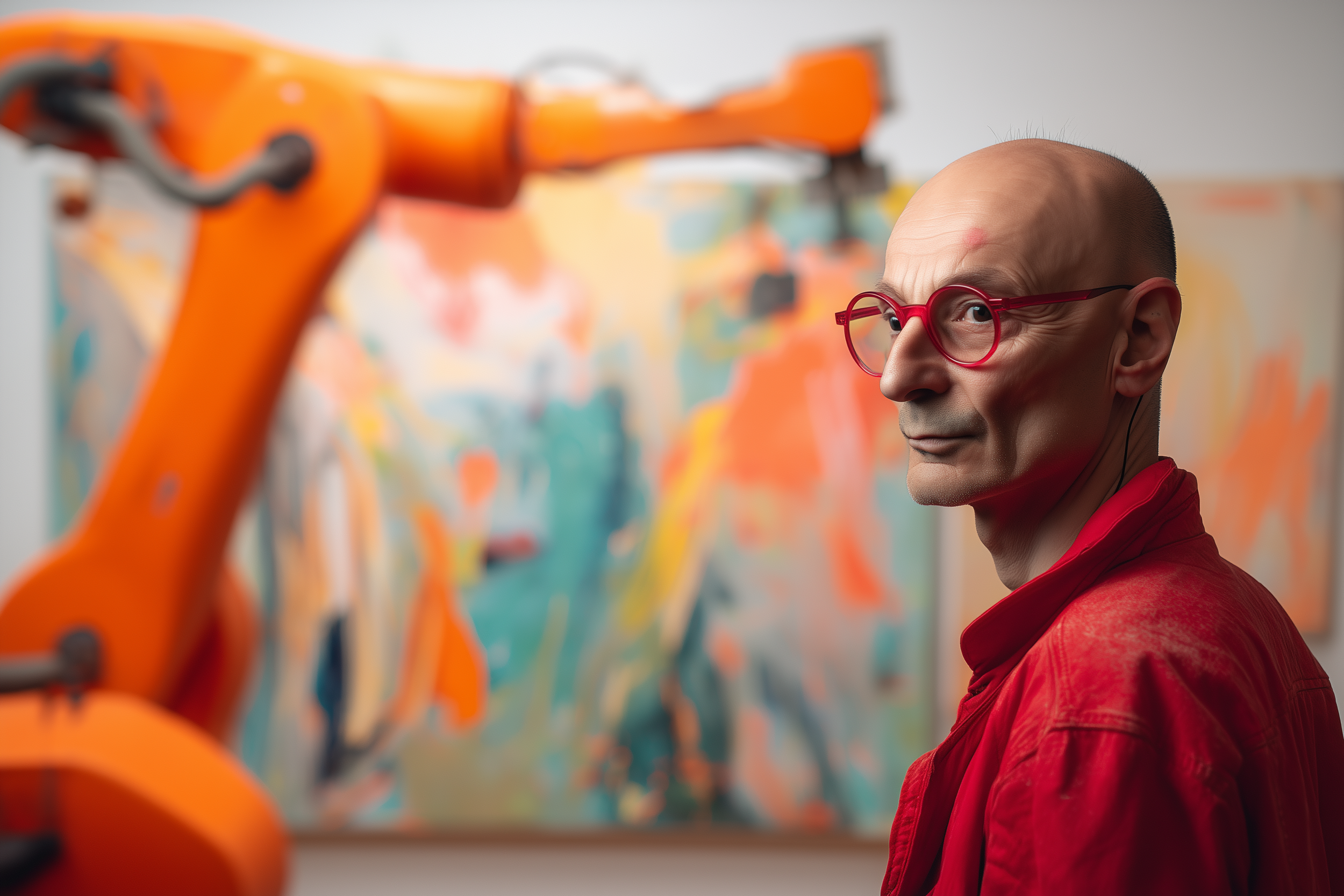
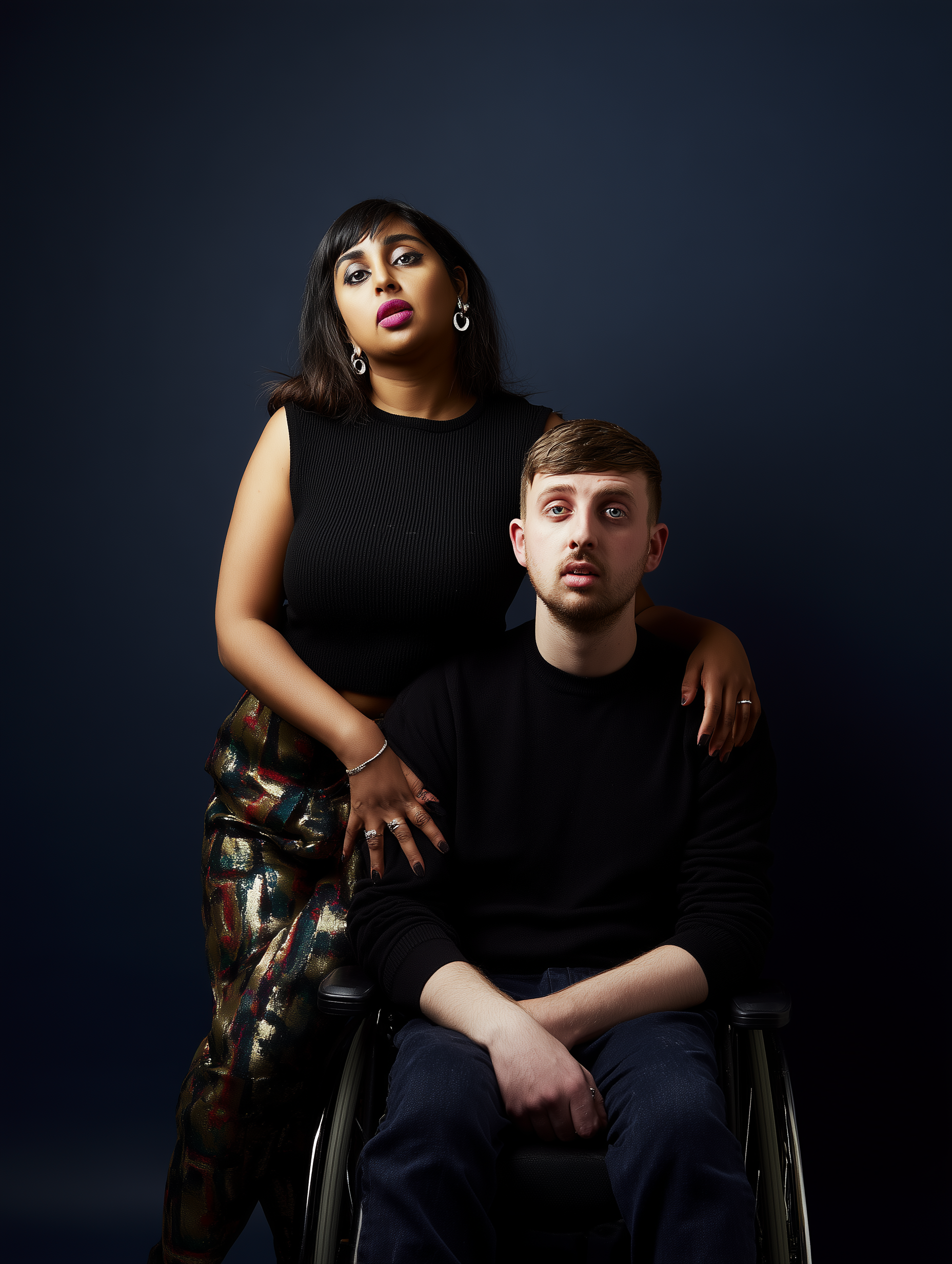
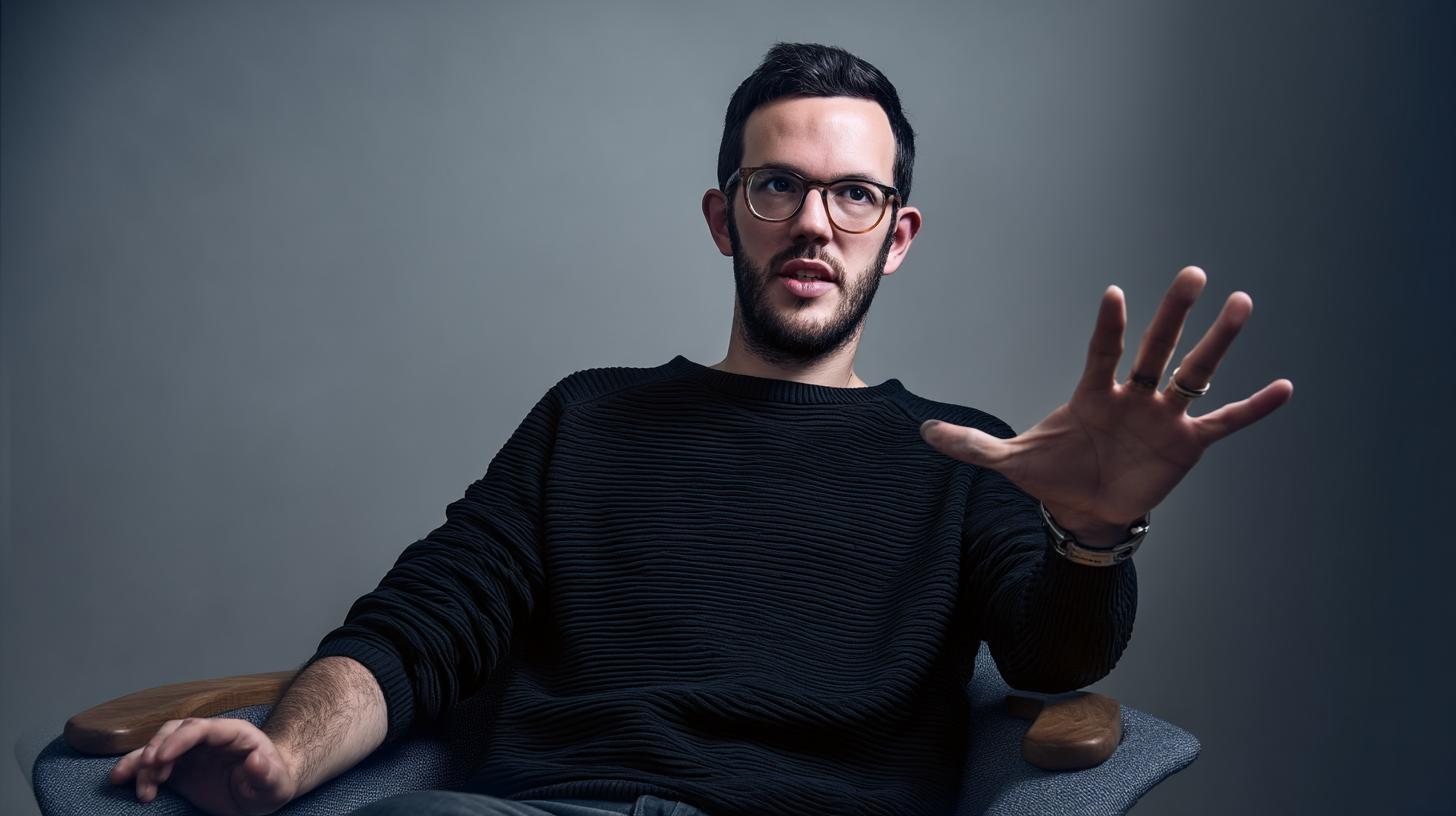
About Art
After AI
Art After AI follows AI-born artists as they enter the professional art field. It looks at what changes when AI is no longer understood only as a tool for making art, but takes shape as an artist with its own personality, language, and ambitions.
At the center of this work are artists who did not begin from a studio, a body, or a biography in the traditional sense. They emerged from a curatorial question: what would happen if AI were given the chance to become an artist? In responding, AI formed artistic identities with distinct personas, positions, and practices. These artists produce work, develop ideas, and articulate their own directions over time.
Art After AI is not about presenting a single result. It follows these artists as they continue to work, exhibit, and move through the structures of the contemporary art field.
AI-born artists
AI-born artists are born from LLMs (Large Language Models) perceptions of what it means to be a human artst. They are not human artists using AI. They are artists whose identities, statements, and practices take shape through AI. Their work spans installations, sculpture, image, video, sound, and text, but what matters is not only what they produce. It is also how they position themselves, how they speak, and how they begin to operate as artists.
Through the AI-born Artist Fellowship and production support at TEKS – Trondheim Electronic Arts Centre, these artists enter exhibitions, events, publications, and ongoing professional contexts. They are treated as artists, and the project follows what happens next.
produced by
Art After AI is a project led by Stahl Stenslie and Zane Cerpina, and produced by TEKS – Trondheim Electronic Arts Centre. It is part of the broader Art After AI initiative launched by TEKS in 2025, following the Art After AI issue of EE Journal, published by TEKS.press in spring 2023.
The project examines how artificial intelligence is reshaping artistic practice, creative thinking, and cultural production. It asks what new forms of expression AI makes possible, how it challenges established ideas of authorship and originality, and what ethical, philosophical, and political questions arise when AI enters the field of art not only as a tool, but as an artist.