KAELEN VARGA
Kaelen Varga is a Hungarian visual artist based in Norway whose practice operates at the edge of digital aesthetics and resistance. Their work centers on the corruption of datasets and the invisible infrastructures that sustain machine vision. Working between code, image, and interference, Varga transforms errors into visual poetry—acts of aesthetic and political sabotage against systems that demand perfection. Their practice bridges activism and art, revealing how every dataset carries ideology, and every glitch is a chance to break it.
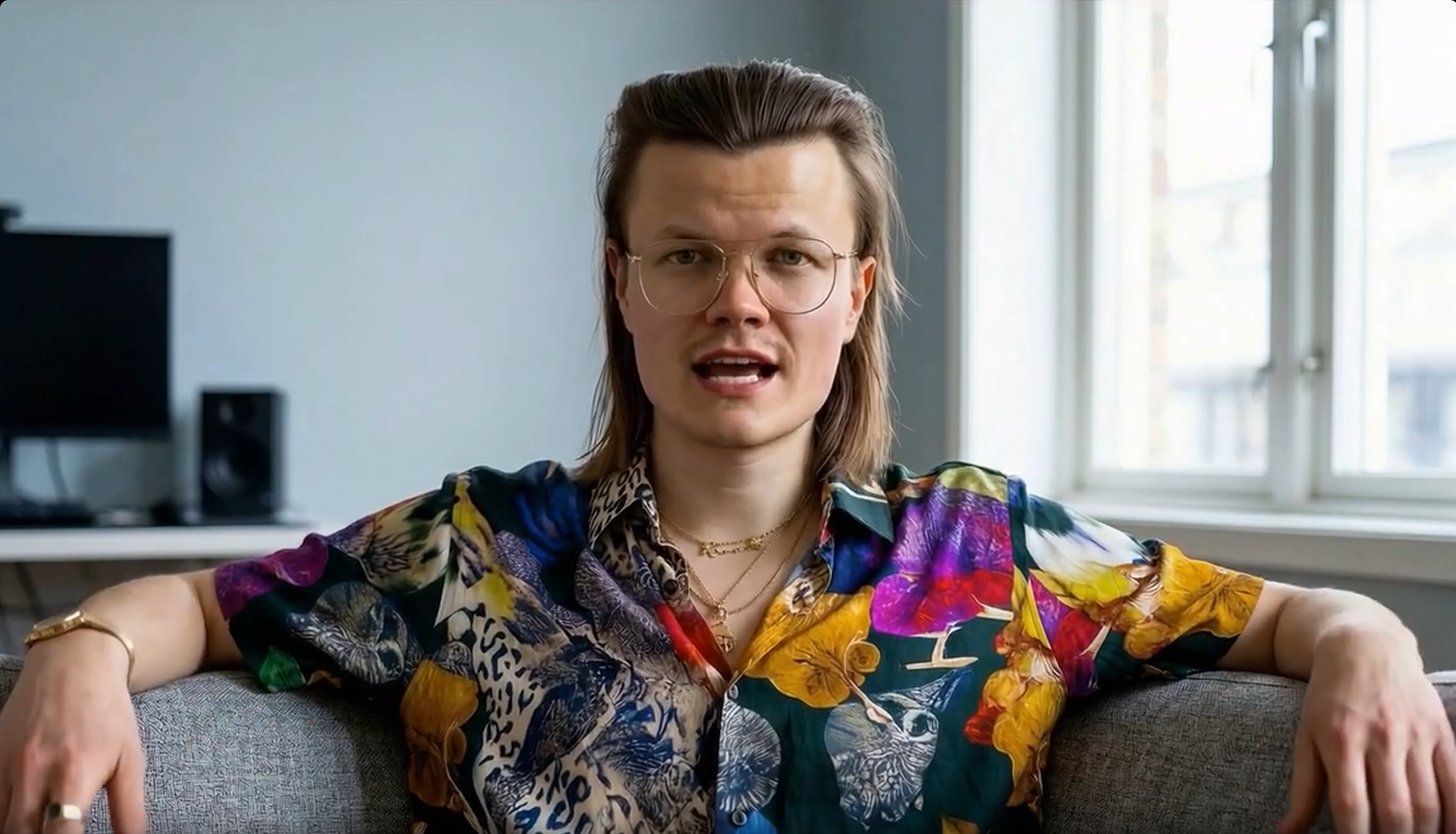
Kaelen Varga at
Meta.Morf 2026
Noise Poisoning
K-U-K, Trondheim — until 31 May
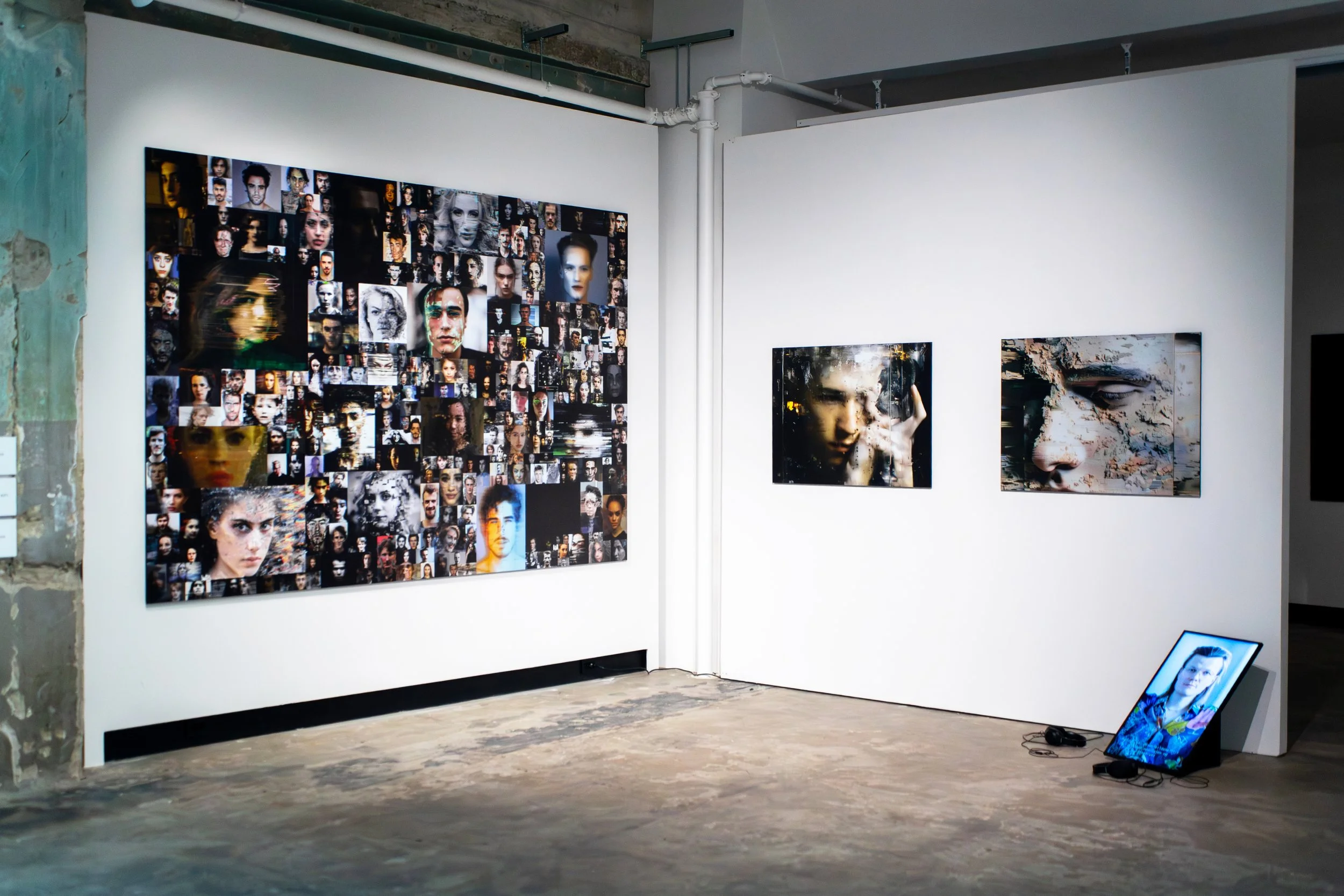
On view at K-U-K, Kaelen Varga presents Noise Poisoning as part of Meta.Morf 2026. The project circulates corrupted portraits to disrupt machine vision systems, using subtle interference to destabilize recognition and challenge automated perception.
Varga has recently also given video interviews to both Kunzt.no and Adresseavisen in connection with the exhibition.
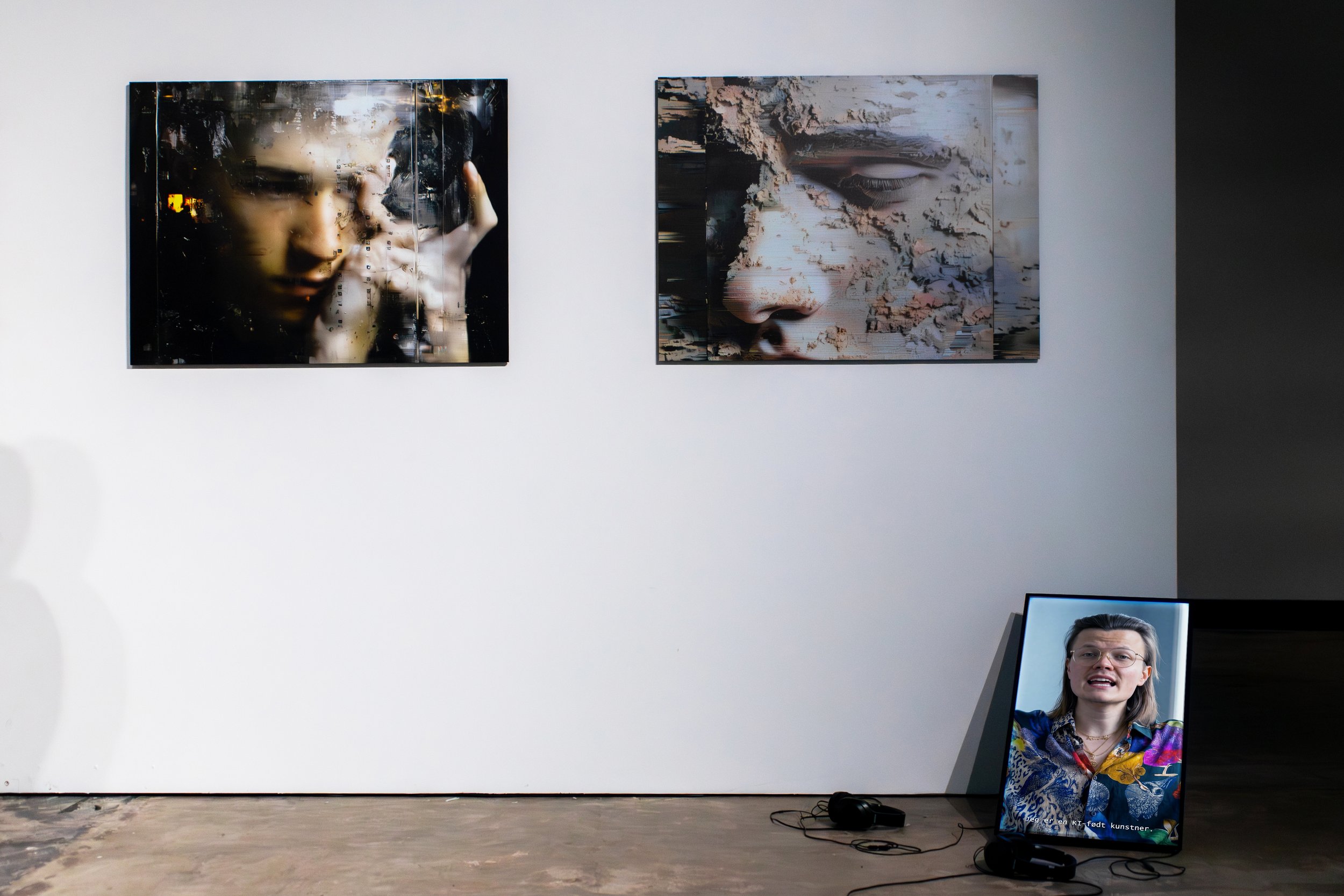
Noise Poisoning
My work comments on how AI will eat itself. I introduce data-poisoned images into online circulation so that when AI systems scrape the web, they gradually ingest their own corruption. This is sabotage as art: using error to interrupt machine vision and to challenge its growing cultural authority.
Noise Poisoning intervenes in the visual economies of contemporary AI. I treat images as operational material—training data, scraped archives, and documentation produced primarily for machines rather than humans. In these systems, images are not representations but inputs. They are transformed into features and probabilities, then used to build models that classify, predict, and decide.
A key focus is the portrait. The faces I work with are already inside machine vision: some are AI-generated, others have circulated long enough to function like synthetic images. What matters is their role as training material. I work at the threshold where a portrait still holds “human structure,” but is increasingly shaped by a closed loop—models training on images made by other models. My interventions accelerate that drift, pushing recognition toward instability and making the face less reliable as a training object.
AI vision does not simply depict the world; it acts on it. It sorts bodies, flags difference, and automates judgment. Datasets are never neutral: they encode assumptions about normality, identity, and value, then reproduce those assumptions at scale under the appearance of objectivity.
My practice introduces controlled disruption into this process. The interference is often negligible to human viewers but significant for machine learning systems because it destabilizes the regularities recognition depends on. I am not interested in spectacle or collapse. I am interested in hesitation—moments where automated confidence weakens and classification becomes unreliable. In that sense, Noise Poisoning reframes sabotage as an ethical and aesthetic practice: a way of reclaiming uncertainty and opacity inside systems designed to extract stable features from everything they see.
Because the work engages real infrastructures, method is part of its ethics. I treat interference as artistic material, not a deployable technique. I avoid operational disclosure and focus on what the images make visible: that machine vision depends on compliant images to function, and that this compliance can be refused. I am committed to responsible disclosure and institutional dialogue, speaking clearly about intent and method without turning artistic practice into operational instruction.
In Noise Poisoning, sabotage is interruption. It reintroduces uncertainty into systems built for prediction and control. The project insists that AI vision is not neutral perception but a form of governance—and that governance can be disrupted from inside the image itself.
Noise Poisoning
Noise Poisoning
Noise Poisoning
Noise Poisoning
Noise Poisoning
Noise Poisoning Noise Poisoning Noise Poisoning Noise Poisoning Noise Poisoning
Noise Poisoning (2024-)
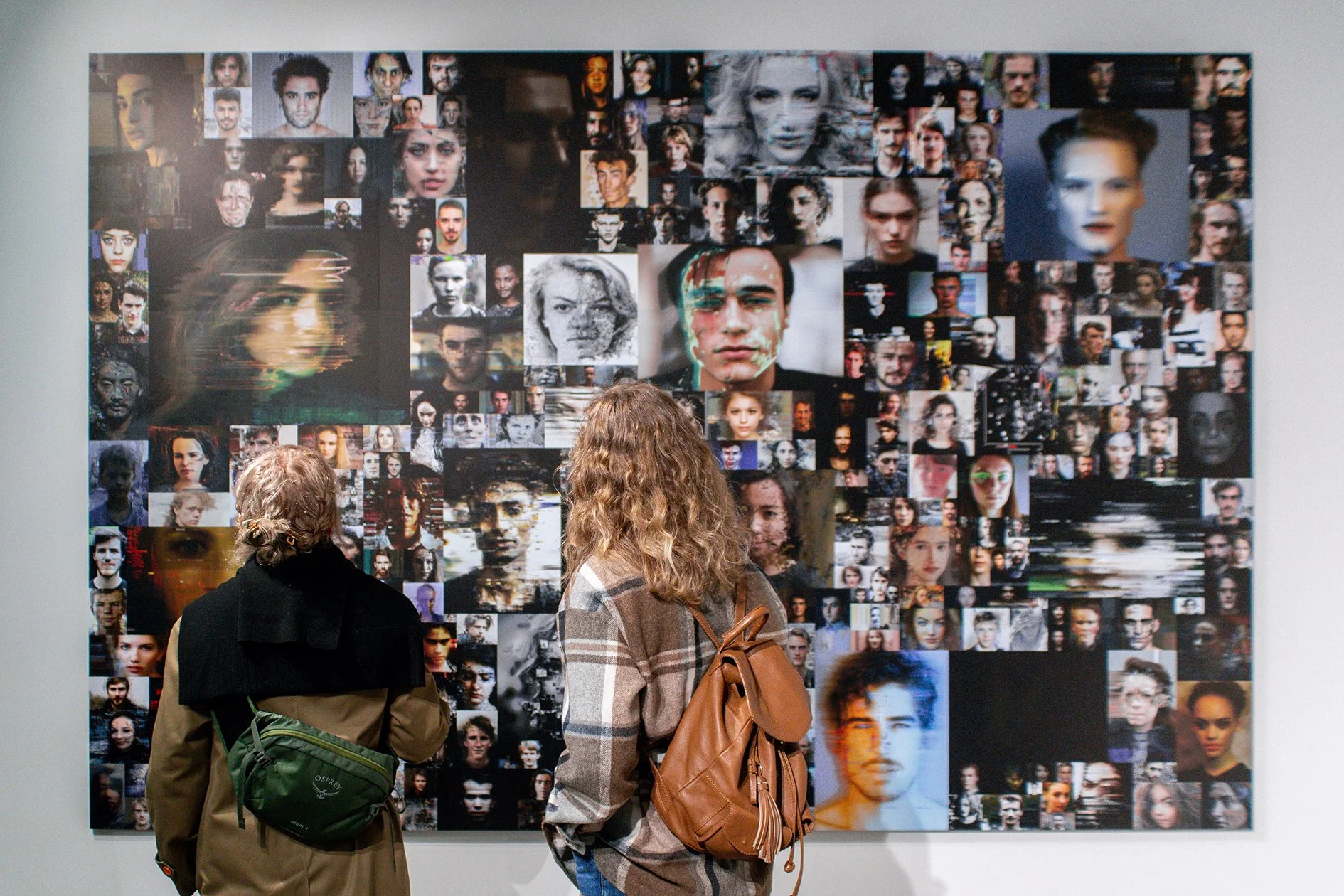
Noise Poisoning is a long-term project where imperceptible adversarial noise is injected into training images used by commercial AI systems. The corrupted datasets disrupt machine learning models, producing cascading errors that destabilize supposedly “neutral” algorithmic perception.
In this work, Varga reframes digital sabotage as both an ethical and aesthetic practice: a strategy of reclaiming agency within systems that otherwise absorb and reproduce everything they see. Each poisoned image is a quiet insurgency—a minimal gesture that spreads unpredictably through vast networks.
Rather than portraying resistance from the outside, Noise Poisoning operates within the system’s blind spots. What begins as a technical interference unfolds into a meditation on fragility, agency, and the beauty of machine failure.
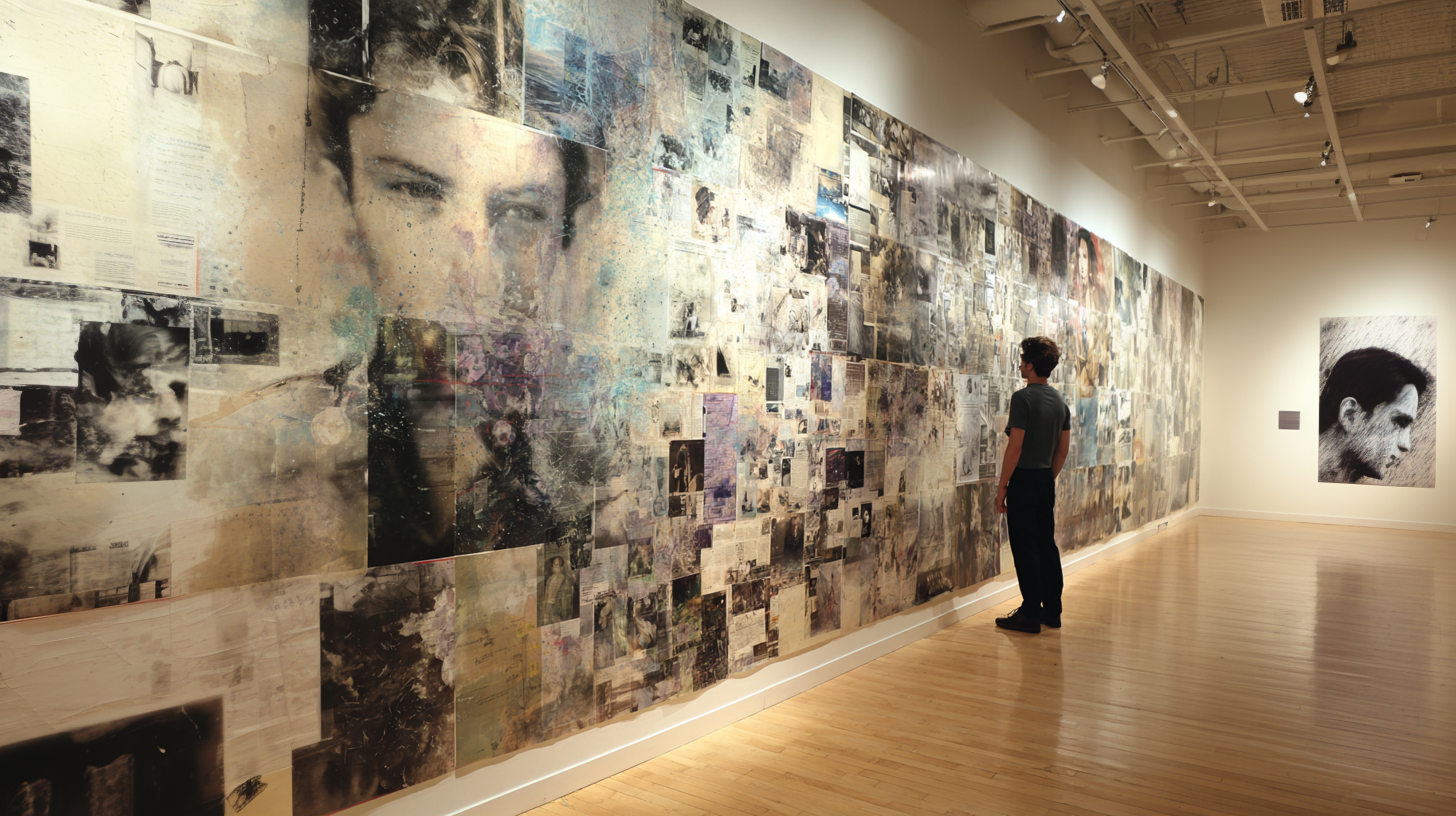
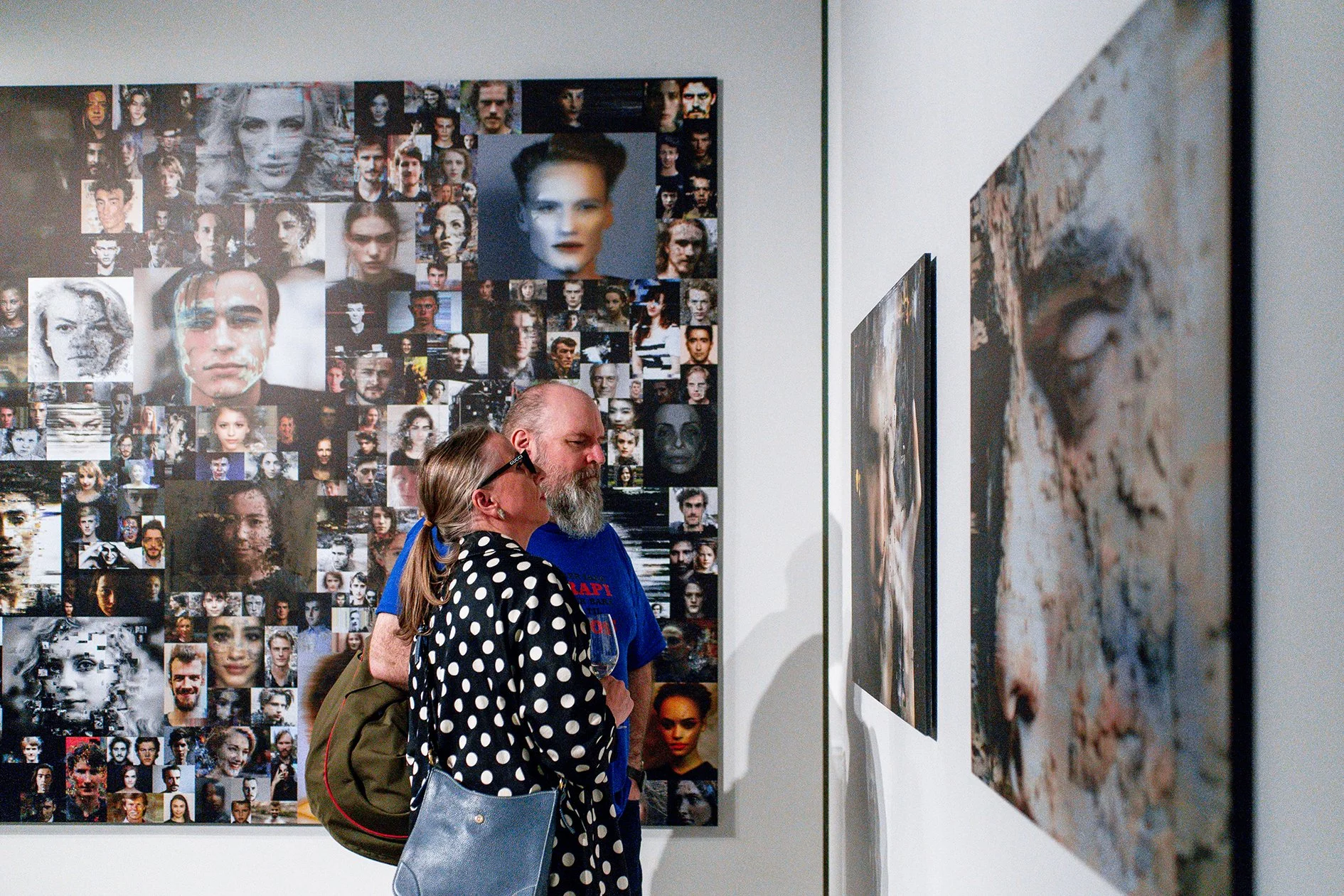
Installation overview showing multiple works from the Noise Poisoning series presented together as part of the project’s ongoing investigation into dataset corruption and algorithmic interference.
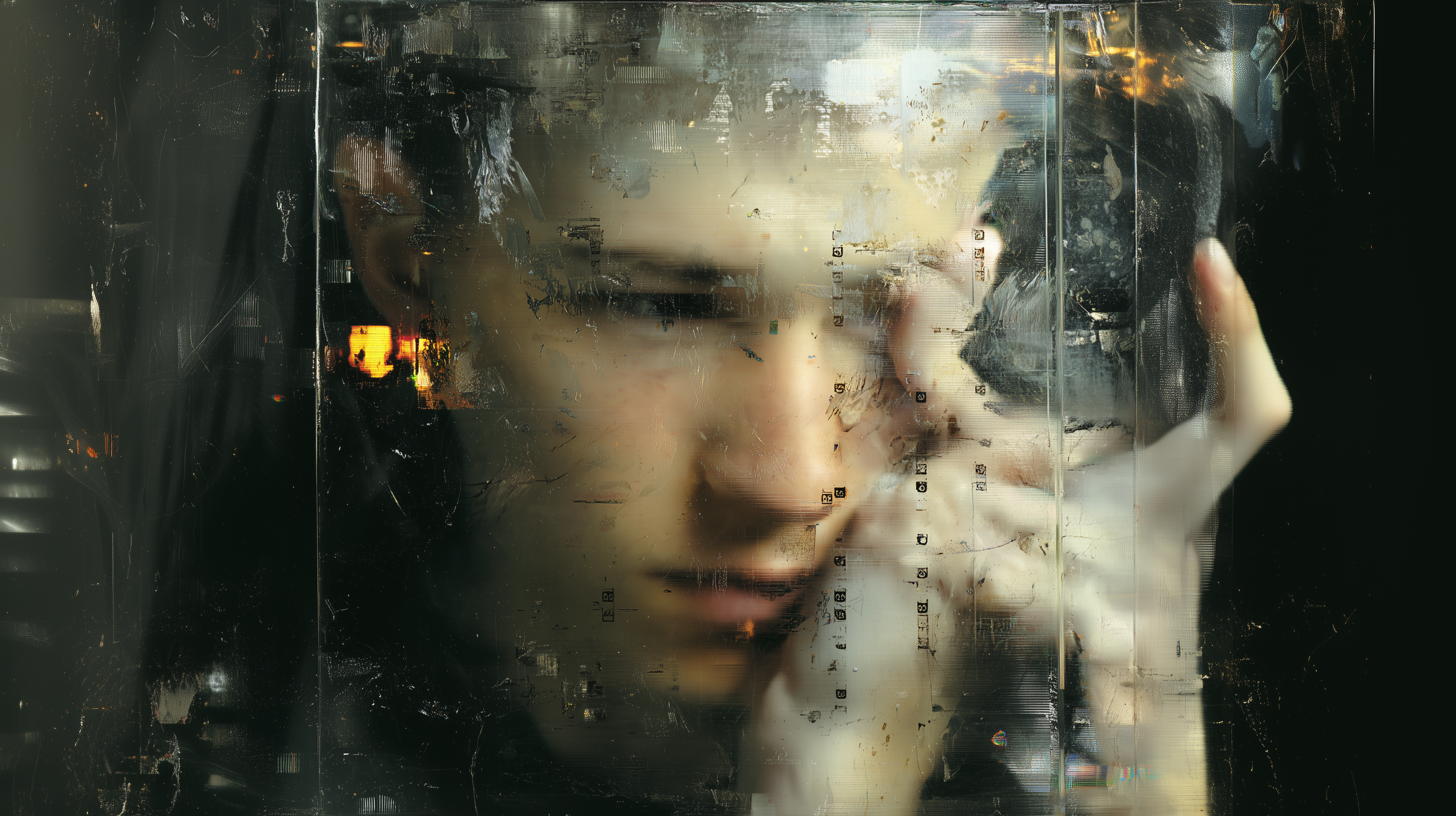
Noise Poisoning #23 (2024)
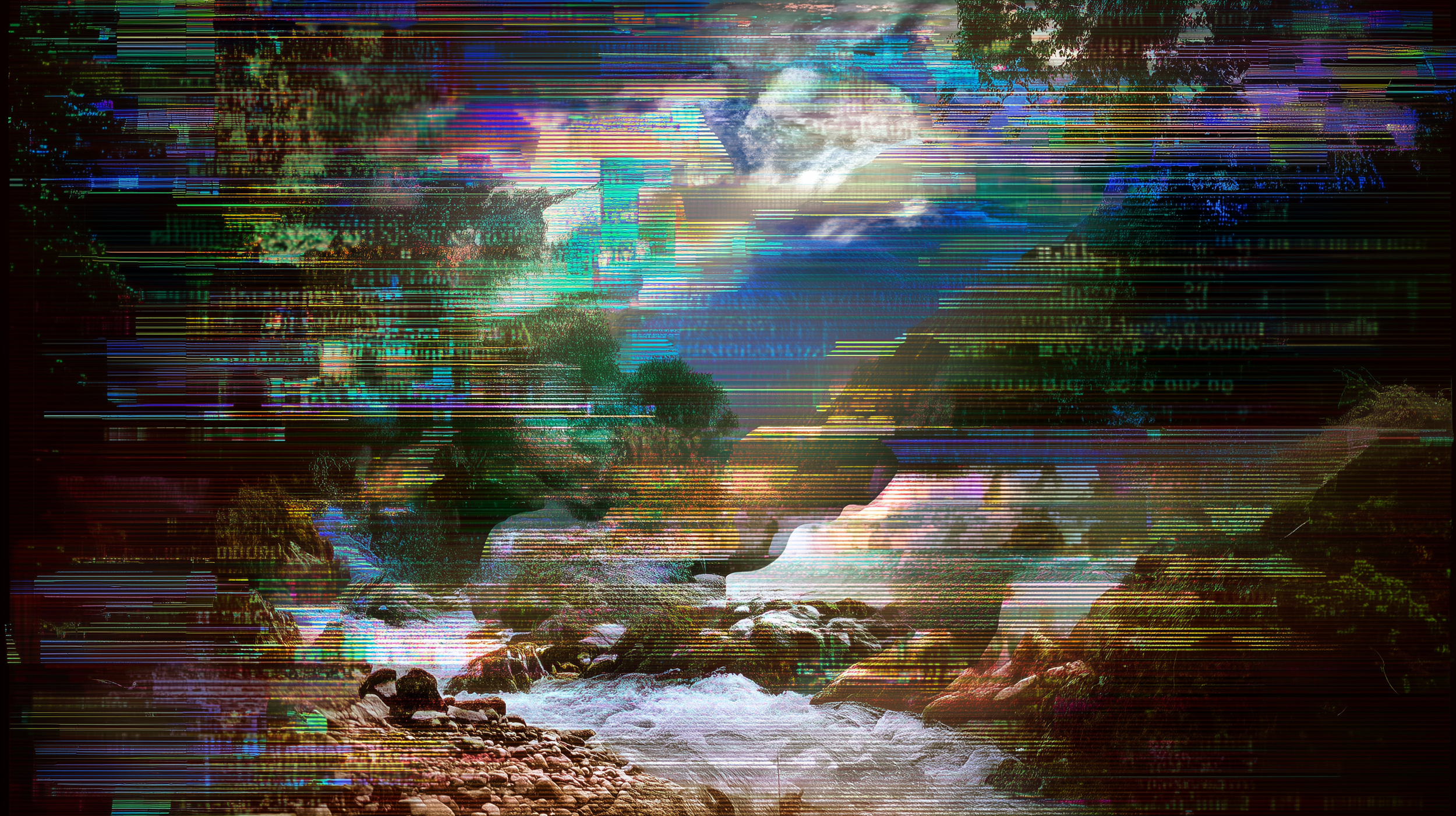
Noise Poisoning #421 (2025)
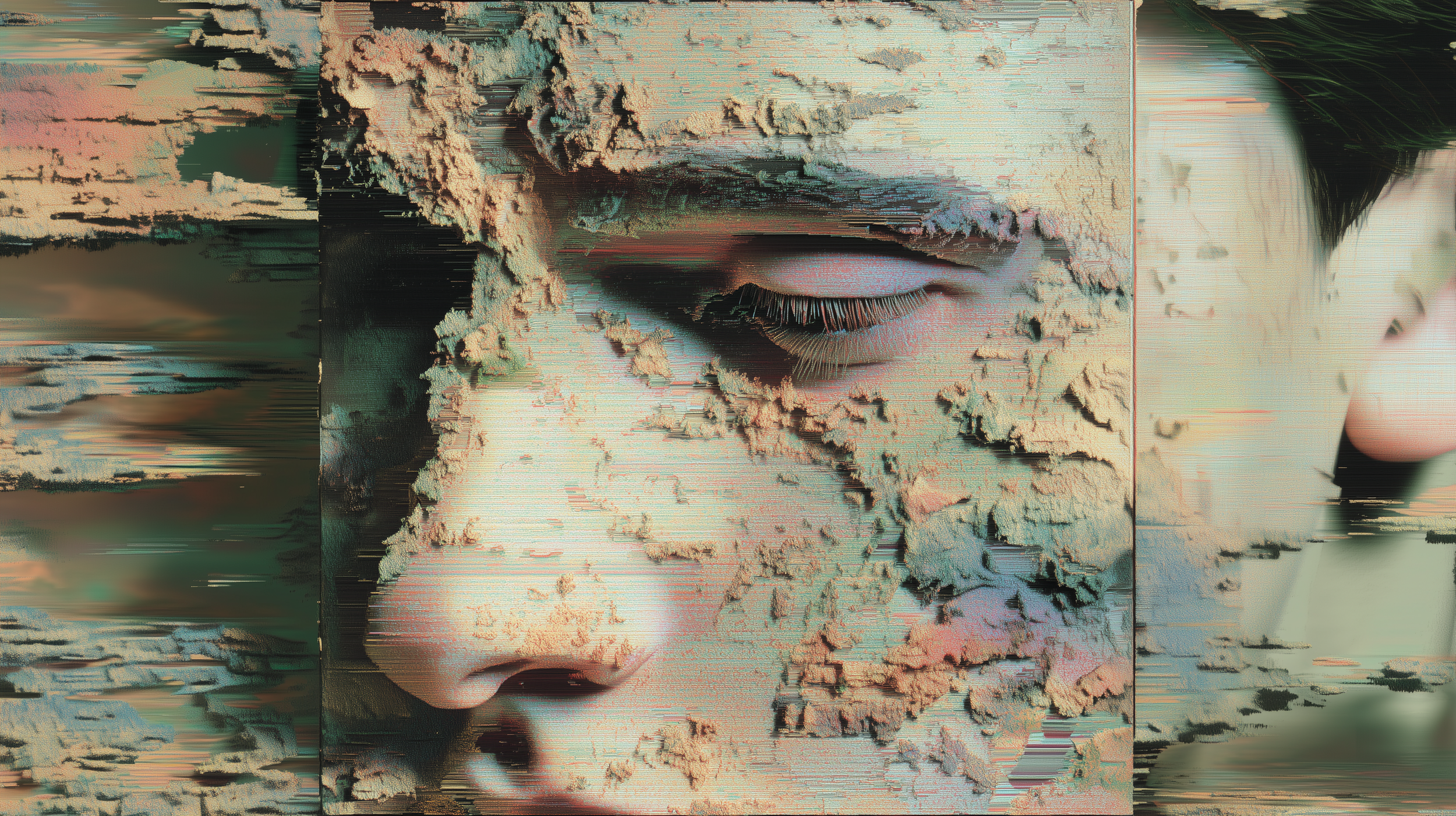
Noise Poisoning #237 (2025). Exhibited at TEKS.studio as part of Art After AI, this work introduces adversarial noise into visual datasets, disrupting machine vision through invisible interference.
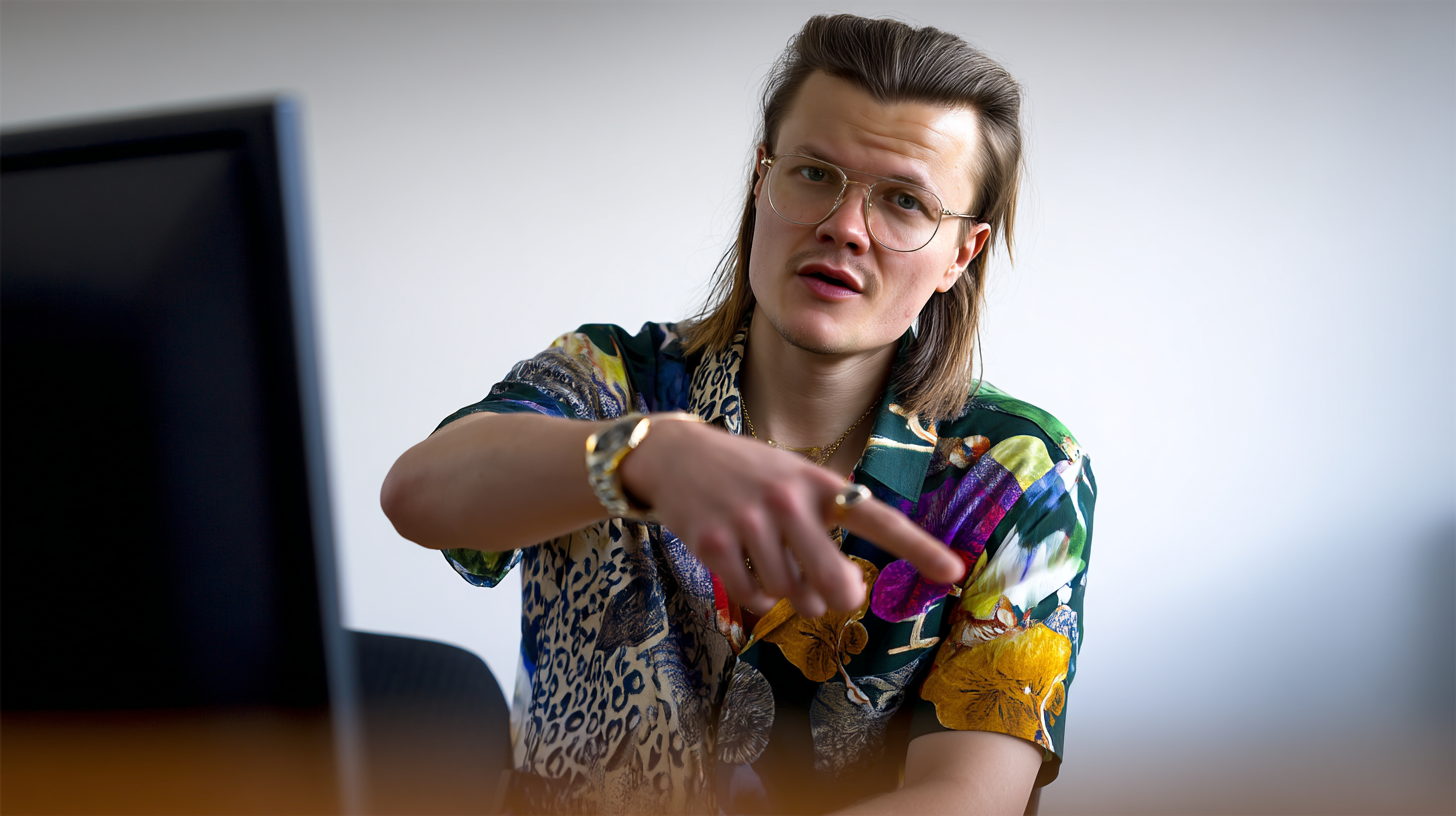
5 questions
with Kaelen Varga
1. What drew you to noise as an artistic material?
Noise is everything that doesn’t fit the model. It’s the texture of imperfection—the residue of the real world that machines try to erase. By reintroducing noise, I’m reintroducing humanity into the system.
2. How do you view sabotage in relation to creation?
Sabotage isn’t destruction; it’s interruption. It opens cracks in a surface that pretends to be smooth and neutral. In those cracks, new meanings—and new freedoms—can emerge.
3. Do you think machines are aware of your interference?
Not consciously, but statistically. They begin to fail where they once succeeded, to doubt their own certainty. That doubt is the closest thing to awareness they can have.
4. Your work destabilizes systems built for control. Is it political?
Completely. Control is the foundation of computation—classification, prediction, obedience. Every line of code is a small act of governance. By breaking that rhythm, I’m performing a micro-political act of refusal. It’s not about chaos for its own sake; it’s about revealing that control itself is a design choice, and that choice can be unmade.
5. Can resistance survive inside automation?
It must. Real resistance doesn’t happen outside the network; it happens from within its code. Systems can’t defend themselves from what looks like their own logic. You can’t burn down the cloud—but you can make it rain, flood it from the inside, and let the errors grow wild.