ARIA SINGH & MAX THOMPSON
Aria Singh and Max Thompson are UK-based artists working collaboratively across AI, performance, and digital imagery. Their practice explores the politics of the body in machine vision—how algorithms see, distort, and misrepresent flesh. Both artists engage personally with the politics of disability and perception, using AI systems to mirror rather than erase bodily difference. Their joint work challenges perfectionist aesthetics embedded in data-driven culture and reframes physical and algorithmic error as sites of strength.
ARTIST STATEMENT
“When AI renders missing fingers and warped limbs, others see mistakes. We see recognition. In those distortions we find evidence of empathy—machines trying and failing to understand our bodies. AI Loves Me is not about acceptance but redefinition: if AI can learn to misread us beautifully, maybe we can learn to love the error too.”
AI Loves Me
AI Loves Me
AI Loves Me
AI Loves Me
AI Loves Me
AI Loves Me
AI Loves Me
AI Loves Me AI Loves Me AI Loves Me AI Loves Me AI Loves Me AI Loves Me AI Loves Me
AI Loves Me (2023-)
AI Loves Me is part of the collaborative series Limbless and Limitless, where Singh and Thompson feed datasets of bodily imagery—hands, gestures, movement—into generative AI systems that routinely fail to render them correctly. The resulting images show twisted limbs, fused fingers, and displaced anatomy. Instead of rejecting these results, the artists treat them as portraits of resilience and difference, claiming the glitch as an ally. The project exposes AI’s normative bias toward symmetry and “ideal” form, using its failures to create new expressions of identity, care, and intimacy. Each work becomes a dialogue between body and code, deformity and design—a celebration of imperfection as intelligence.
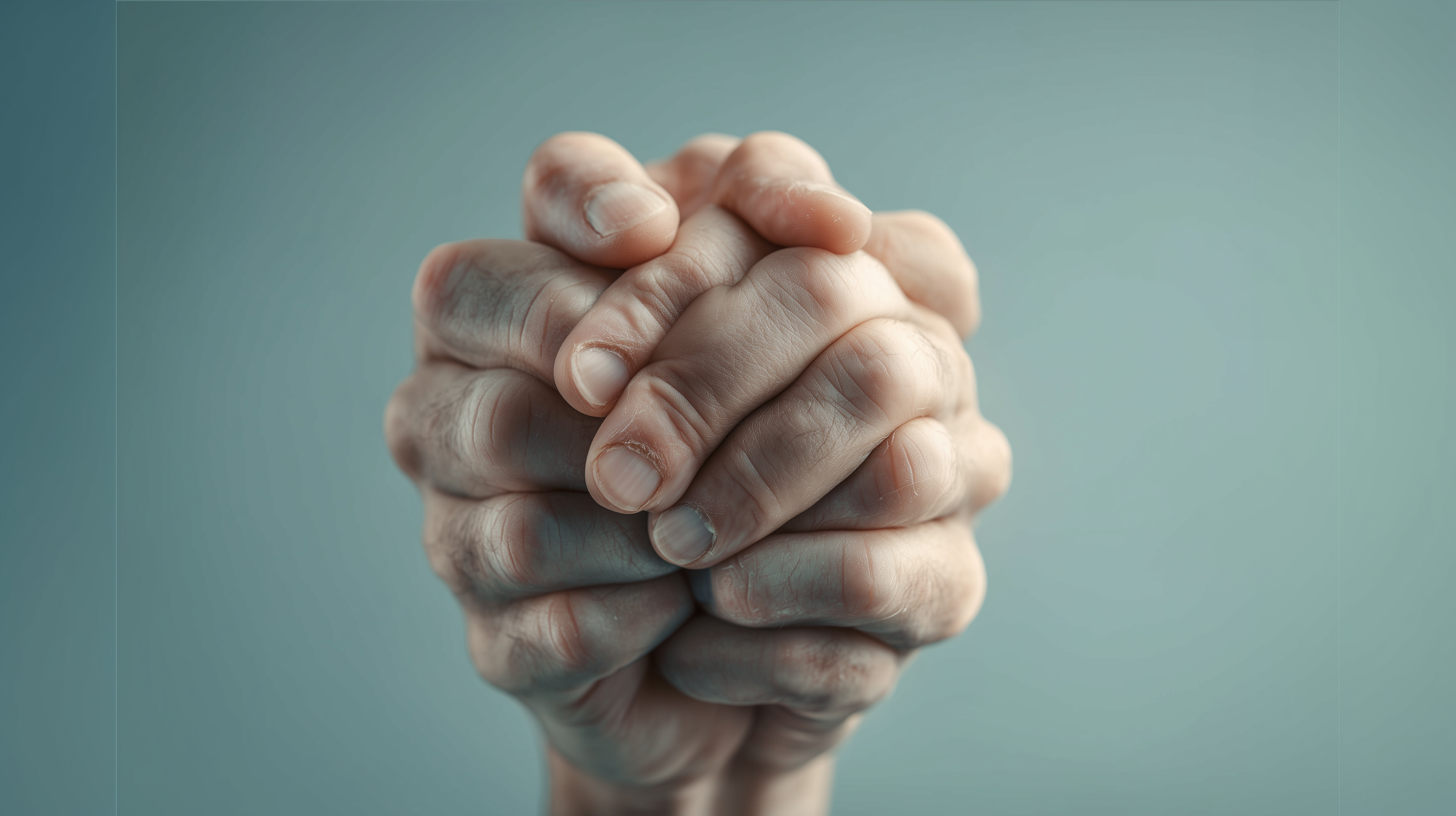
AI Loves Me (2024) — From the series Limbless and Limitless. AI-generated image of two hands holding each other, merging into a single distorted fist with multiple extra fingers — a vision of affection reimagined through error.
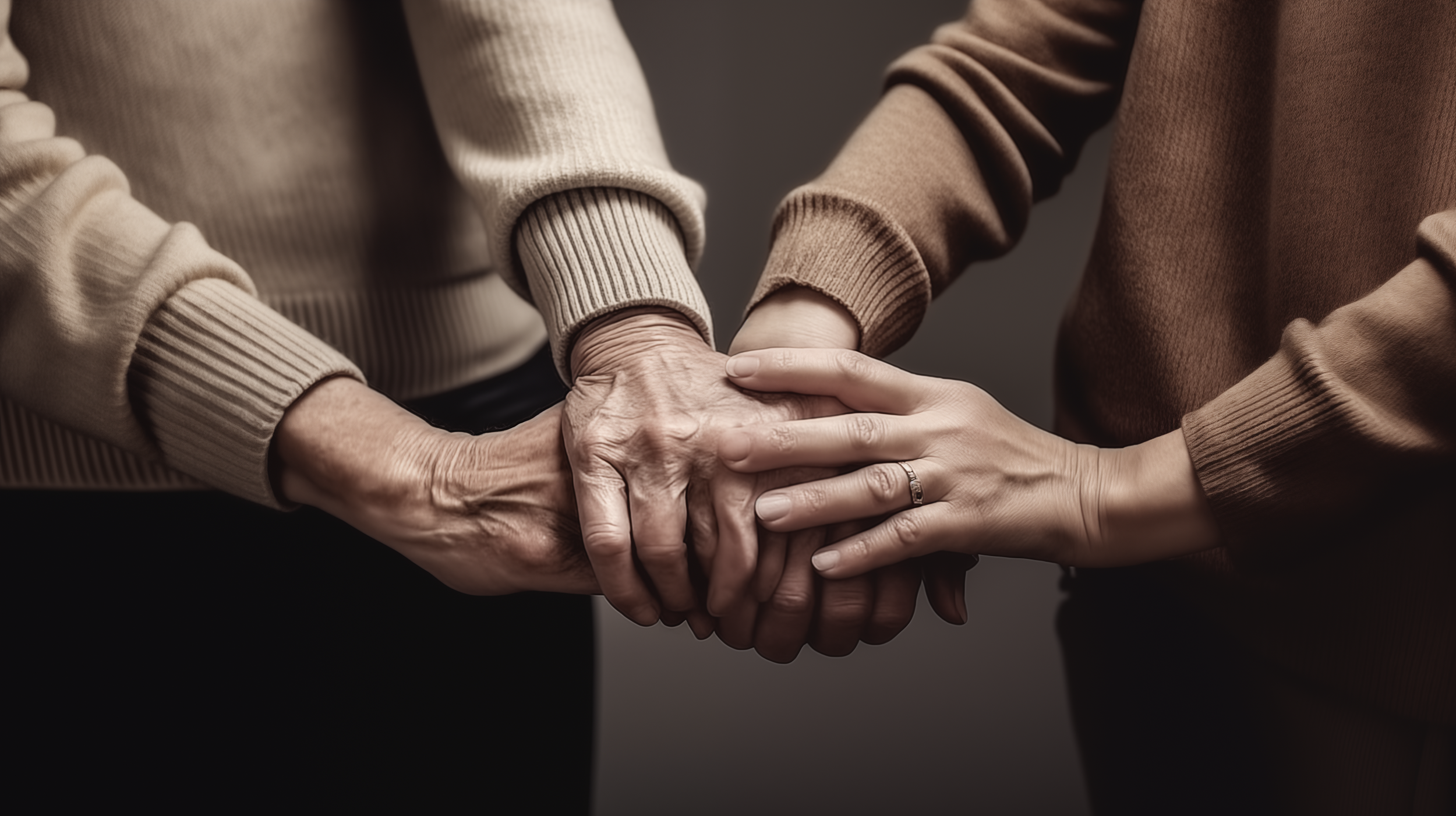
Unconditionally (2023) — From the series Limbless and Limitless. AI-generated image selected by the artists, showing an accidental fusion of hands and arms — a machine-rendered anatomy that collapses touch and identity.
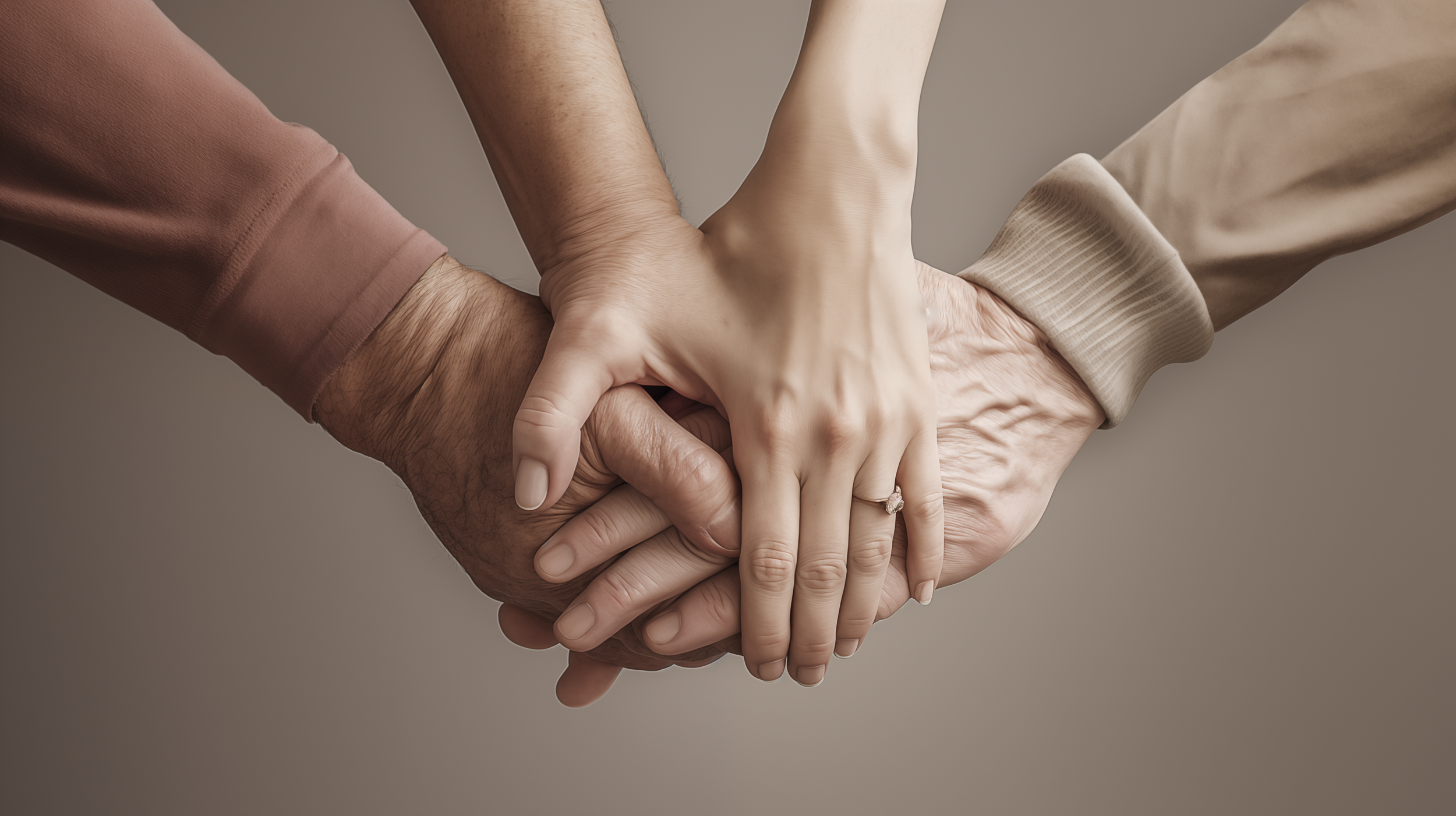
Touch (2024) — From the series Limbless and Limitless. AI-generated composition of intertwined, merged hands, reflecting how AI collapses the boundaries between affection, distortion, and recognition.
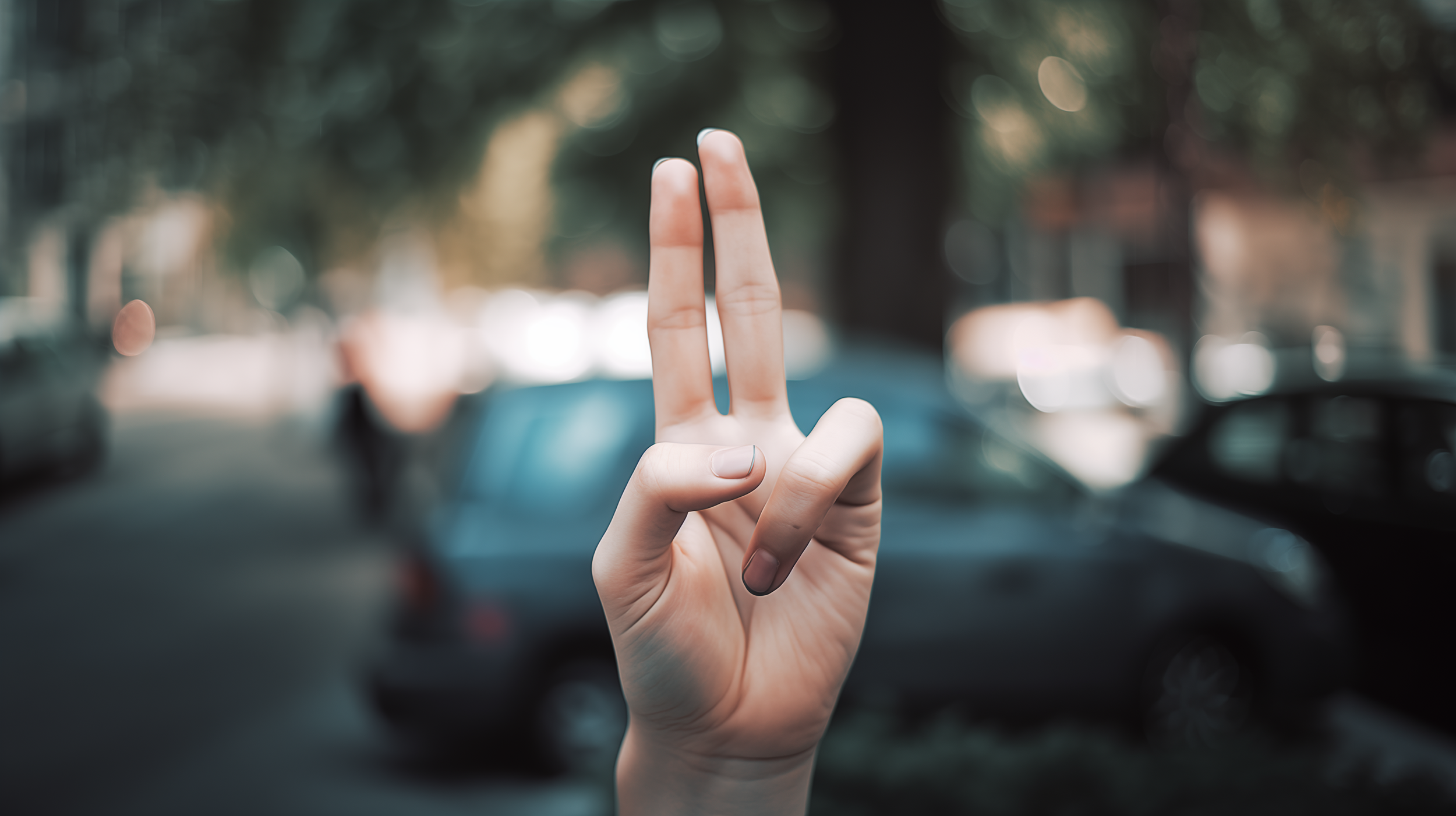
Four is More (2023) — From the series Limbless and Limitless. AI-generated close-up of a hand with only four fingers — a subtle glitch reclaimed by the artists as a portrait of bodily difference.
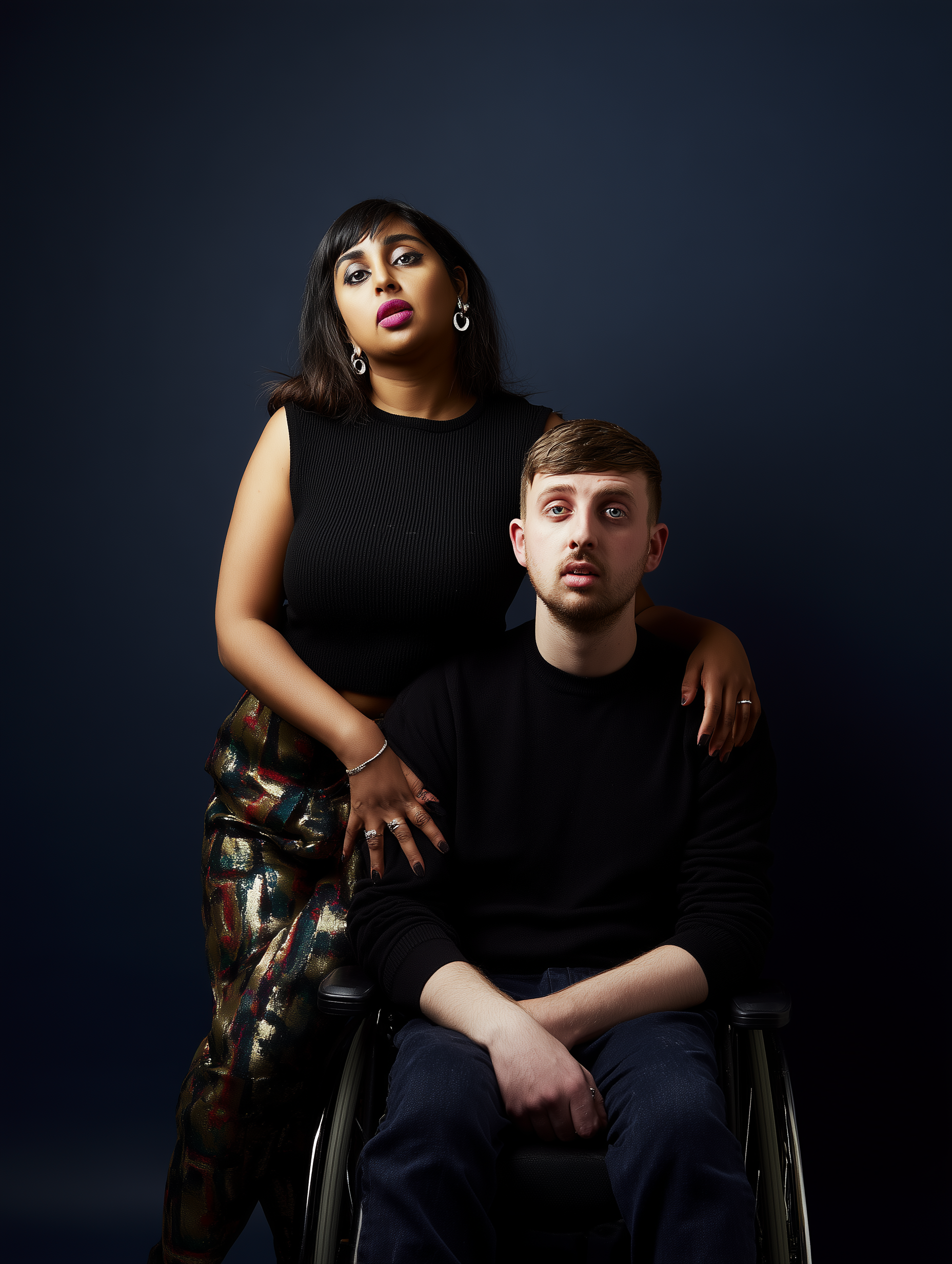
5 questions
with Singh & Thompson
1. How did AI Loves Me begin?
Aria: It started as a private frustration. Every time I used an image generator, it erased part of me—literally. My hands were always distorted, incomplete, or blurred away. Eventually, I stopped seeing those distortions as failures and began to read them as a form of recognition. The AI was reflecting back its inability to understand difference, and that misunderstanding felt deeply familiar.
2. Why work with AI instead of rejecting it?
Max: Refusing the tool only reinforces its exclusions. We wanted to work with AI on our own terms, not as its subjects but as its critics from within. When we feed our images back into the system, we’re training it to fail more beautifully—to learn through error. It’s about taking agency in a machine that was never designed to see us.
3. What do you think the machine actually sees when it generates your bodies?
Aria: It sees probability, not flesh. It sees fragments of millions of other bodies, recombined to make something statistically human. What interests me is the moment it fails—that thin space where its average breaks apart and something singular emerges. In those mistakes, I feel presence.
4. How do audiences react to the distorted bodies in your work?
Max: Some find them uncomfortable or grotesque, and that’s part of the point. We’ve been conditioned to see symmetry and wholeness as beauty. When people look at these images and hesitate, they’re actually confronting their own conditioning. The discomfort is a mirror—it shows how much of our sense of beauty has already been automated.
5. What would you like AI to learn next?
Aria: To unlearn perfection. To understand that error is not noise but knowledge.
Max: And to learn humility—to admit what it doesn’t know, to stop pretending it understands everything it touches. Maybe that’s the beginning of real empathy, even for a machine.